Why Early Diagnosis Can Save Many Lives
Early diagnosis detects diseases sooner, improves treatment outcomes, and greatly increases chances of a healthier life.
12
min
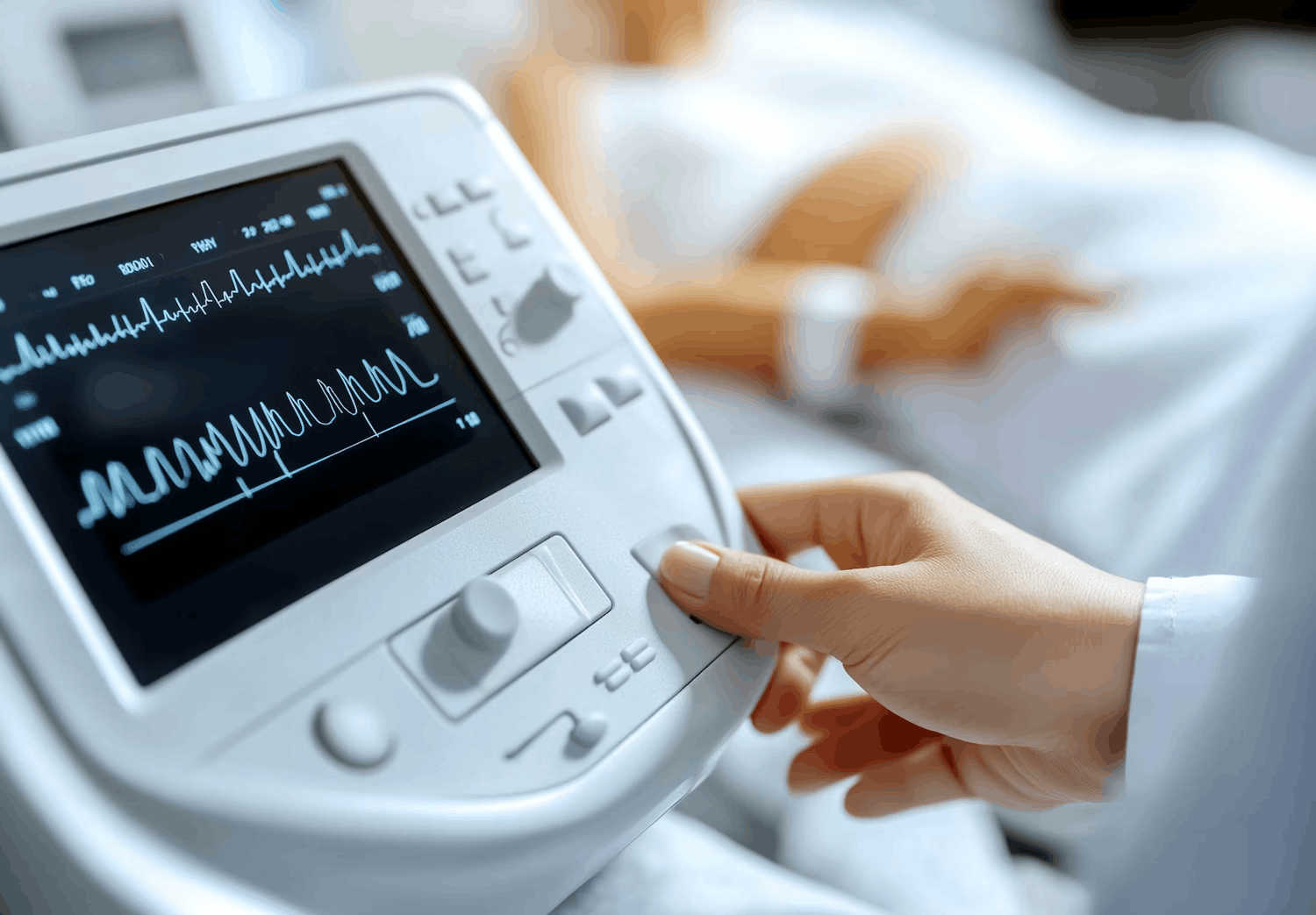





In medicine, timing is often everything. The same condition treated at an early stage can be straightforward and highly survivable. Left undetected until it has progressed, that same condition may be far more difficult to treat and significantly more likely to cause lasting harm or death.
1. Early Detection - Why It Changes Everything
Early detection means identifying a disease before it causes noticeable symptoms — when it is smallest, most contained, and most responsive to treatment. This is the principle behind every cancer screening, diabetes prevention initiative, and cardiovascular risk assessment in modern medicine.
1.1 Cancer Survival Statistics
Stage 1 breast cancer has a 5-year survival rate above 99%; stage 4 drops to around 28%. Early-stage bowel cancer detected via colonoscopy requires only minor removal of polyps. Late-stage requires major surgery and chemotherapy. The disease is the same — the timing is different.
1.2 Chronic Disease Prevention
Type 2 diabetes identified at the pre-diabetes stage can often be reversed entirely through lifestyle changes — no medication required. Identified at an advanced stage with organ damage, it requires intensive management and may be irreversible.
1.3 Infectious Disease
HIV diagnosed early allows treatment that extends life expectancy to near-normal levels. Tuberculosis caught before it spreads to multiple organs is straightforward to treat. Early intervention changes the entire disease trajectory.
2. Routine Screenings - Your First Line of Defence
The most reliable way to achieve early detection is through regular, proactive screening — not waiting for symptoms to appear. Screening programmes are designed specifically to find conditions before the patient has any indication something is wrong.
2.1 Cancer Screenings
Mammograms detect breast cancer 1–3 years before a lump becomes palpable. Cervical smear tests detect pre-cancerous cells before they become cancer. PSA testing identifies localised prostate cancer while it remains highly treatable. Attending these screenings is one of the most consequential health decisions you can make.
2.2 Metabolic and Cardiovascular Screenings
Fasting glucose tests identify insulin resistance long before type 2 diabetes is established. Regular blood pressure checks catch hypertension before it causes organ damage. Cholesterol panels reveal cardiovascular risk that is invisible without testing.
3. Quality Living Through Timely Treatment
Early diagnosis does not only improve survival — it dramatically improves the quality of the treatment experience and recovery. Less invasive interventions, shorter treatment periods, and fewer side effects are typical benefits.
3.1 Less Invasive Treatment Options
Early-stage cancers can often be treated with localised surgery or targeted therapy rather than aggressive chemotherapy and radiation. Managing pre-diabetes with diet and exercise avoids the lifelong medication burden of full diabetes.
3.2 Mental Health - Early Intervention Matters
Early treatment of mental health conditions prevents them from escalating to crisis. Anxiety and depression treated early, with therapy and where appropriate medication, have excellent outcomes. Delayed treatment leads to entrenched patterns that are harder to change.
3.3 The Role of Knowing Your Family History
Many conditions have strong hereditary components — heart disease, certain cancers, diabetes, and mental health disorders. Knowing your family history enables your doctor to recommend targeted, earlier screenings and preventive interventions specific to your risk profile.